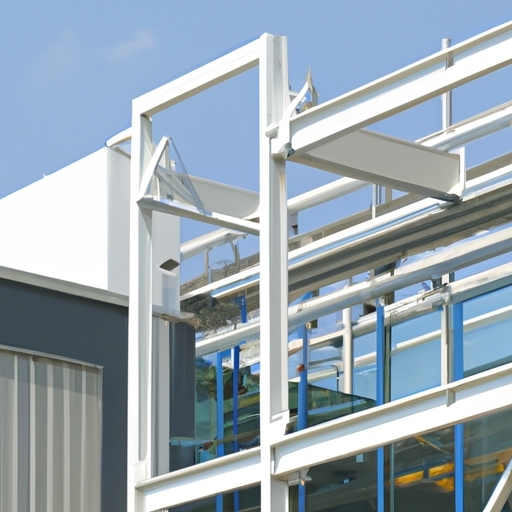
The Production Refine and Distinct Residences of Cold-Formed Steel
Cold-formed steel (CFS) is an absolutely ingenious building product that is reinventing the construction market with its phenomenal stamina, versatility, and sustainability. What is the Innovative Structure Product Revolutionizing Building And Construction? Discover the Strength and Flexibility of Cold-Formed Steel! . The manufacturing procedure and distinct homes of cold-formed steel make it an ideal option for a range of building and construction applications, from residential framing to industrial frameworks.
The manufacturing process of cold-formed steel starts with the rolling of steel sheets at room temperature, which is dramatically less than the temperatures made use of in standard warm rolling. This is where the term cold-formed comes from. Unlike hot-rolled steel, which is formed at heats, cold-forming maintains the architectural integrity and strength of the steel. The sheets are gone through a series of dies that considerably form them right into the wanted profiles, such as C-sections, Z-sections, or customized types. This process boosts the steel's yield stamina via a sensation called pressure solidifying, where the steel's grain framework is straightened to enhance its load-bearing capacity.
Among the most impressive residential properties of cold-formed steel is its high strength-to-weight ratio. CFS is light-weight, yet it has a superior tensile strength, making it an affordable choice for building contractors who call for a resilient material that can withstand heavy tons and stress and anxieties. The precision of the cold-forming procedure also leads to items with tight tolerances and constant top quality, making sure that each steel piece fits flawlessly right into the general structure, lowering the demand for on-site changes and accelerating the building procedure.
In addition, CFS displays outstanding dimensional stability, implying that it does not warp, spin, or reduce with time, which can be a trouble with various other construction materials like wood. This stability makes sure that frameworks made from cold-formed steel remain sturdy and maintain their integrity over the long term, even under variable environmental conditions.
In terms of versatility, cold-formed steel can be easily customized and accompanied various other materials, enabling architects and engineers to discover ingenious layout concepts that would certainly be hard or difficult to accomplish with even more typical products. CFS can be cut, drilled, and set up on-site making use of straightforward tools, and it can be integrated with other building elements like concrete, glass, or wood to produce hybrid frameworks that leverage the benefits of several materials.
In addition, cold-formed steel is an eco-friendly selection. Steel is just one of one of the most recycled products on the planet, and utilizing recycled steel for new construction minimizes the ecological impact related to mining and processing basic materials. The recyclability of CFS ensures that also after a building's life is over, the product can
Comparing Cold-Formed Steel to Traditional Building Materials
Cold-formed steel (CFS) has become a game-changer in the building and construction industry, revolutionizing the way structures are created and put up. This ingenious product is reshaping the landscape of building and construction due to its stamina, versatility, and performance contrasted to traditional structure products such as timber, hot-rolled steel, and concrete.
Among the most considerable advantages of cold-formed steel is its exceptional strength-to-weight proportion. Unlike hot-rolled steel, which is developed at heats, CFS is shaped at room temperature level, which maintains the steel's inherent architectural stability. This process results in a lighter product that can stand up to high loads, making it an outstanding option for multi-story structures where reducing dead load is a concern.
In terms of convenience, CFS is unmatched. It can be rolled, punched, and reduced right into an array of shapes and sizes, permitting highly tailored designs. This flexibility allows engineers and engineers to push the limits of creativity and functionality, crafting frameworks that are not just aesthetically appealing but additionally very reliable in terms of area usage.
Sustainability is an additional area where CFS beams. It is 100% recyclable, and due to the fact that it is lighter than conventional materials, it minimizes the carbon impact associated with transportation. Furthermore, CFS structures can be put together with accuracy, reducing waste during building and construction.
When it concerns speed of building, cold-formed steel is a clear victor. Pre-fabricated panels and components can be made off-site and swiftly put together on-site, reducing building and construction times and labor expenses. This likewise results in much safer building and construction websites with much less mess and less on-site dangers.
Contrasting cold-formed steel to wood, one finds that CFS is unsusceptible most of the problems that torment timber, such as termites, dampness damages, and warping. Fire resistance is one more crucial area where cold-formed steel outshines timber, supplying higher security and possibly lower insurance policy expenses.
Versus concrete, cold-formed steel offers a lighter option that can lower the need for hefty foundations and can be adapted quicker to seismic layout demands. While concrete is praised for its compressive stamina, CFS excels in tensile toughness, making it a suitable selection for areas that experience high winds or earthquakes.
In conclusion, the innovative use cold-formed steel is transforming building and construction by providing a product that is strong, versatile, and sustainable while giving effectiveness in expense and building time. As the industry continues to progress, the adoption of CFS highlights a commitment to advancement and a shift in the direction of
Ecological Advantages and Sustainability of Using Cold-Formed Steel
In the mission for even more lasting and effective building techniques, a change is silently forming via the use of cold-formed steel (CFS). This ingenious building material is not just altering the horizon with its stamina and adaptability but additionally provides a huge selection of ecological advantages, making it a keystone of lasting building and construction practices.
Cold-formed steel is produced by rolling or pushing steel into semi-finished or ended up items at space temperature level. This process needs less energy contrasted to hot-rolled steel, causing a reduced carbon footprint. Additionally, CFS is generally made from recycled product and is fully recyclable at the end of its life, ensuring that it adds to a circular economic climate.
Sustainability is at the heart of CFS, with its light-weight nature considerably reducing transport costs and associated discharges. Its lightweight likewise implies much less load on foundations, leading to decreased use of concrete, a product with a high carbon impact. In addition, CFS structures can be made for disassembly, promoting reuse and flexibility in the ever-changing city landscape.
CFS also contributes to energy efficiency in structures. It can be precision-engineered to produce tight fits and much better insulation envelopes, drastically decreasing home heating and cooling needs. The product's intrinsic sturdiness implies that it does not warp, rot, or mold and mildew, guaranteeing a longer life span with much less upkeep and fewer resources used gradually.
The toughness of cold-formed steel is in its adaptability and versatility. It can be molded into various shapes and sizes, enabling innovative architectural designs that can react to diverse ecological problems. This flexibility not just fosters development in style but additionally makes sure that structures can be optimized for ecological efficiency.
To conclude, cold-formed steel is not simply one more product; it is a revolution in the building and construction market. With its combination of stamina, adaptability, and environmental sustainability, CFS is paving the way for a future where structures are not only visually pleasing and useful yet additionally kinder to our world. As we march in the direction of a much more sustainable future, the role of resourceful products like cold-formed steel ends up being ever before more important in the worldwide story of ecological stewardship and accountable building.
The Flexibility of Cold-Formed Steel in Numerous Building Applications
Cold-formed steel, a marvel of modern engineering, is quickly transforming the landscape of building and construction with its exceptional stamina and unexpected versatility. This ingenious product is not your average steel; it has actually been thoroughly made to supply a variety of advantages that are revolutionizing the structure market.
What sets cold-formed steel apart is its special production procedure. Unlike standard hot-rolled steel, which is shaped at heats, cold-formed steel is generated at or near area temperature level. This method results in a lightweight yet robust product that boasts a high strength-to-weight proportion, making it an optimal selection for a variety of building applications.
Among the most compelling qualities of cold-formed steel is its adaptability. From residential structures to industrial frameworks, and from mounting systems to intricate building features, cold-formed steel provides options that are both sensible and aesthetically pleasing. Its pliability enables it to be formed right into numerous sizes and shapes, catering to the bespoke demands of designers and designers who look for both capability and imagination.
The building industry is frequently looking for products that can boost performance and minimize expenses, and cold-formed steel solutions that call. Its lightweight nature translates to decrease transportation costs and less complicated managing on-site, leading to much faster building times. This is a game-changer for tasks on a tight timetable or those intending to reduce labor expenses.
Sustainability is another cornerstone of the appeal of cold-formed steel. As a recyclable product, it contributes to a greener structure process by lessening waste and promoting the use of recycled content. This aligns flawlessly with the growing need for eco responsible building techniques.
In addition, cold-formed steel excels in durability. It is non-combustible, immune to warping, diminishing, and insects, making sure durability and reducing upkeep expenses over the life expectancy of a structure. Its strength likewise makes it an appropriate selection for locations prone to seismic task or harsh climate condition, giving included security and comfort for residents.
Cold-formed steel's compatibility with various other products is yet another element of its flexibility. It can be quickly integrated with concrete, glass, and timber, supplying countless possibilities for ingenious hybrid construction techniques. This compatibility not just broadens style options however likewise improves the architectural integrity of structures.
Despite progressing building codes and the constant promote greater performance standards, cold-formed steel sticks out as a forward-thinking remedy. It meets and typically exceeds market demands, providing a robust framework that supports energy-efficient designs and innovative insulation techniques.
In conclusion, cold-formed steel is not just a 22
Cold-Formed Steel in Modern Architecture and Style Flexibility
Cold-Formed Steel (CFS) is an impressive building material that has been silently transforming the building sector. As modern style pushes the borders of design, CFS has emerged as a functional and strong product that provides designers and builders unprecedented adaptability.
What collections cold-formed steel apart is its technique of production. Unlike hot-rolled steel, which is developed at high temperatures, CFS is produced at space temperature, by running slim sheets of steel through a series of rollers. This procedure not only permits a high degree of accuracy yet also enhances the steel's strength through work-hardening.
The applications of CFS in modern architecture are substantial and varied. Among the most considerable advantages of cold-formed steel is its adaptability. It can be cut, curved, and constructed into an array of shapes and sizes, which opens a globe of layout possibilities. This makes it an ideal choice for designers that are looking to produce innovative and complicated frameworks.
In addition, CFS is light-weight compared to conventional building materials like concrete and hot-rolled steel. This implies it can lower the tons on structures, enabling even more innovative and ambitious layouts, especially in locations with difficult dirt conditions. Furthermore, the lighter weight of CFS makes it less complicated and more affordable to transport and take care of on the building and construction site.
Sustainability is one more crucial benefit of cold-formed steel. It is just one of the most recycled materials on the planet, and its manufacturing procedure is generally extra energy-efficient than that of typical products. Structures created with CFS can additionally be taken apart and the products recycled, additionally adding to the round economic situation.
The strength-to-weight ratio of cold-formed steel is a game-changer for earthquake-prone areas. CFS has the strength to stand up to seismic pressures, making it an outstanding option for safety-conscious building. This strength likewise encompasses resistance versus fire, insects, and rot, guaranteeing that frameworks not just last much longer yet also require much less upkeep in time.
The rate of construction is yet another area where CFS shines. Components can be upreared off-site and promptly set up on-site, dramatically decreasing construction time. This prefabrication procedure likewise permits higher quality control, as elements are created in a regulated manufacturing facility setting.
Cold-formed steel's contributions to modern-day style and design flexibility are undeniable. As we remain to look for ingenious remedies to the facility demands of modern construction, CFS attracts attention as a material that is not simply fulfilling these challenges however also pressing the sector in the direction of a more effective, lasting, and
Economic Benefits and Cost-Effectiveness of Cold-Formed Steel Building
In the ever-evolving landscape of building, the market consistently looks for materials that use premium efficiency, convenience, and cost-effectiveness. One such material that has emerged as a game-changer is cold-formed steel (CFS). This innovative structure material is reinventing the building market with its myriad of financial advantages and unparalleled versatility.
Cold-formed steel describes architectural items that have actually been shaped at space temperature, causing a material that is lightweight yet incredibly strong. The process of cold-forming allows for the steel to be formed into various sizes and shapes, making it possible for architects and engineers to press the limits of design while keeping architectural honesty.
One of one of the most considerable financial advantages of CFS is its light-weight nature. This lowers the worry on structure requirements and, consequently, can result in substantial financial savings in both products and labor. Additionally, the simplicity of taking care of and transporting lightweight CFS elements equates to reduce delivery prices and a reduced carbon impact.
From a cost-effectiveness viewpoint, CFS uses a number of benefits. The accuracy of cold-forming result in a high degree of uniformity and consistency, minimizing waste during production. Additionally, the predictability of steel rates contributes to much more precise budgeting and economic preparation for building jobs. The installment of CFS is also faster and less labor-intensive compared to traditional structure products like wood or concrete. The ability to erect parts off-site under controlled conditions better increases building timelines and minimizes on-site labor prices.
Cold-formed steel's toughness is another facet that contributes to its cost-effectiveness. It is non-combustible, which can decrease insurance costs, and it is impervious to parasites such as termites. The product's resistance to warping, reducing, and decaying gets rid of the need for costly long-lasting maintenance and replacement that is frequently connected with other construction materials.
Additionally, CFS is very versatile and can be quickly changed or prolonged, which is advantageous for future renovations or expansions. This adaptability makes certain that structures can adapt to altering requirements without comprehensive overhauls, thus protecting the first financial investment and extending the lifespan of the framework.
CFS construction is not only economically advantageous but also lines up with sustainable structure methods. Steel is one of one of the most recycled products in the world, which suggests that CFS components can be repurposed at the end of their life cycle, minimizing waste and promoting a round economic climate.
To conclude, the development of cold-formed steel in the construction market represents a substantial progression in constructing technology. Its stamina, versatility,
Future Trends and Advancements in Cold-Formed Steel Building Solutions
In the ever-evolving landscape of construction, a quiet revolution is unfolding, one that assures to redefine the way we develop developing structures. This change is spearheaded by a material that combines strength, convenience, and development-- cold-formed steel (CFS). As we aim to the future, the fads and advancements in CFS building services are setting the phase for a brand-new age in construction, defined by performance, sturdiness, and flexibility.
Cold-formed steel has actually come a lengthy method from its very early applications. It is no longer simply a material for framing or indoor non-load-bearing walls. Today, it stands at the forefront of modern construction technology, providing a plethora of advantages that deal with the needs of contemporary building design. Its high strength-to-weight ratio implies that frameworks can be lighter without jeopardizing on security, enabling designers and engineers to press the limits of layout.
One of one of the most exciting fads in the use of CFS is its integration with modular and premade building approaches. As the market leans towards lasting and time-saving procedures, CFS fits flawlessly right into the picture. Built CFS panels and components can be manufactured off-site to precise specifications, decreasing waste and on-site construction time significantly. This not just brings about quicker forecast completion yet also makes sure a high level of quality assurance that may not be as quickly possible with conventional building methods.
Technology in CFS also reaches its capability to operate in consistency with various other structure materials. Crossbreed systems that combine CFS with concrete, wood, or even newer materials such as carbon fiber, are creating structures that are more durable and energy-efficient. The harmony of these materials with CFS enables thermal effectiveness, bring about buildings that are not simply solid, yet also sustainable and economical to preserve.
Additionally, the electronic change has actually produced innovative style and analysis tools that are altering the means CFS structures are visualized. Software for Structure Info Modeling (BIM) and Finite Element Evaluation (FEA) are making it possible for a lot more accurate and intricate styles to be planned and executed with CFS. These devices promote the optimization of material use and structural efficiency, enabling higher architectural liberty and development.
Safety and security is another area where CFS shines, with fundamental homes that make it a wise selection for earthquake-prone and high-wind locations. Its ductility and resilience indicate that CFS structures can soak up and dissipate power from natural catastrophes better than lots of conventional building products, thus protecting both the framework and its occupants.
As the industry remains to grapple