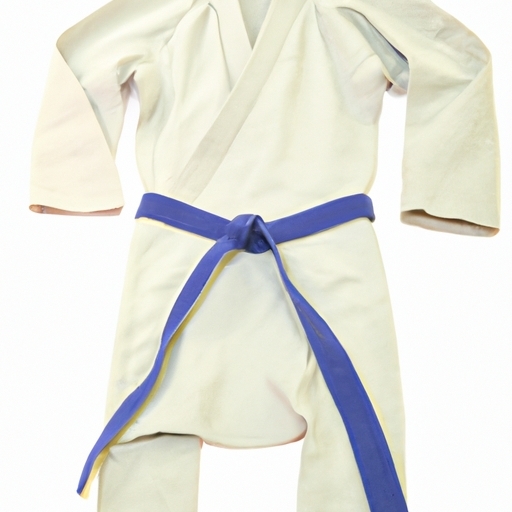
Historic development of judo uniforms and product evolution
The judo uniform, called a judogi, has actually undergone a remarkable evolution since its inception, forming the sporting activity of judo and the convenience and toughness that specialists, or judokas, take pleasure in today. What Is the Secret Behind Our Judo Attire's Unequaled Comfort and Toughness? . The story of the judogi is just one of custom, advancement, and stringent criteria, all targeted at improving the judo experience.
The origins of the judogi trace back to the late 19th century when Dr. Jigoro Kano, the owner of judo, formalized the fighting style and its techniques. He identified the need for an uniform that would endure the roughness of judo training and competition. At first, judo professionals utilized conventional Japanese clothing, but these garments were not resilient sufficient for the intense hurting and tossing methods main to judo.
Therefore, Kano developed the judogi, taking motivation from the attires of various other Japanese fighting styles such as kendo but adjusting it to the particular demands of judo. The very early judogi was made from cotton and was much larger and looser than the typical garments, with strengthened stitching to sustain the consistent pulling and stress during judo method.
Throughout the years, the judogi has been standard to guarantee fairness and security in competitors. The International Judo Federation (IJF) has established specifications pertaining to the size, material, and fit of the judogi. The product has progressed from simple cotton to include firmly woven, double-weave cotton materials that provide an equilibrium of rigidity and flexibility, essential for both carrying out techniques and protecting against challengers from easily gripping the uniform.
Modern judogi are a product of continuous refinement. Suppliers have experimented with numerous blends of cotton and artificial fibers to boost resilience and convenience, as well as to reduce shrinkage and improve moisture-wicking properties. Some high-end judogi incorporate materials that enhance air flow and minimize weight while preserving the toughness required for judo.
The key behind the unmatched convenience and toughness these days's judo uniforms lies in the focus to detail in their layout and the high quality of products used. The collar of the judogi is thick and sturdy, giving security and permitting reliable clutching, a basic facet of judo techniques. The trousers are enhanced at the knees to withstand the abrasion from floor covering work. Regardless of these supports, modern-day manufacturing strategies have made judogi much more comfy, with softer textiles against the skin and better-fitting patterns that accommodate a variety of body shapes and dimensions.
Finally, the historical growth of judo uniforms from standard clothes to the modern
The duty of textile selection in comfort and durability
The essence of a judo uniform, or judogi, is not just a matter of custom or look, but a critical component that adds to the athlete's efficiency, convenience, and security. At the core of our judo attire's unrivaled convenience and sturdiness lies the precise process of material selection, a testament to the confluence of textile science and fighting styles needs.
Comfort and sturdiness in a judogi are 2 sides of the same coin, each playing a pivotal role in the professional athlete's ability to train properly and compete at their finest. The comfort of the judogi ensures that the athlete can relocate freely, without limitation or irritability, while toughness warranties that the uniform can withstand the rigors of intense hurting, throwing, and ground fighting, which are inherent to judo.
Our commitment to material option starts with the selection of product. Cotton is the foundation of our judogi fabric as a result of its all-natural homes: breathability, gentleness, and the ability to soak up sweat, every one of which add to the athlete's comfort during long and exhausting training sessions. To even more boost these high qualities, we use a cautious mix of cotton weaves, such as the rice-grain weave for the coat and the ruby or twill weave for the pants, providing both a supported appearance and robust resistance to pulling and tearing.
The material's weight likewise plays a considerable role in the equilibrium in between convenience and resilience. A heavier textile will normally be extra durable, however it needs to be calibrated to stop it from being overly inflexible or cumbersome, permitting the judo specialist the needed dexterity and tactile sensitivity. Our uniforms strike this equilibrium with precision, customized to satisfy the needs of both beginners that call for more advice and convenience, and advanced professionals who require uncompromising sturdiness.
Another trick behind our judogi's quality is the reinforcement of high-stress areas. By doubling the material or adding added layers and quilting at the knees, shoulders, and upper body, we guarantee that these areas can endure the continuous friction and pressure without compromising the attire's stability or the convenience of the wearer.
We also pay close attention to the cut and fit of our judogi. A judogi that fits well boosts the athlete's activities rather than restricts them. It likewise makes sure that the fabric does not number or droop, which might bring about pain or supply an opponent with a simple hold. Our judogi is designed to supply a snug yet unrestricted fit, allowing full range of motion while keeping a streamlined, competition-ready silhouette.
The importance of weave patterns and sewing techniques
The Secret Behind Our Judo Uniform's Unrivaled Convenience and Resilience: The Relevance of Weave Patterns and Stitching Methods
The judo uniform, or judogi, is a martial musician's 2nd skin. It stands up to strenuous training, extreme grappling, and the examination of time. But what is the secret behind a judo uniform's unrivaled comfort and resilience? This enigma deciphers when we delve into the intricate globe of weave patterns and sewing strategies.
Weave patterns develop the foundation of a judogi's textile. The quality of the weave straight impacts the uniform's capability to withstand the pulls and tugs intrinsic to the sport of judo. Solitary weave attires, while lighter and much more breathable, use less toughness than their double or gold weave counterparts. Dual weave judogis, characterized by their thick, hefty fabric, give excellent toughness and are much less vulnerable to tearing under stress. The gold weave strikes a balance between both, using a concession in between weight and toughness.
The choice of weave pattern also plays an essential duty in the comfort of the attire. The structure of the material versus the skin, the ability to take in perspiration, and the ease of motion the consistent enables are all shaped by the weave. A great weave pattern will enable the material to breathe and wick dampness away from the skin, therefore protecting against chafing and enabling the judoka to focus on their method rather than discomfort.
Sewing methods are similarly critical in crafting a judogi that boasts long life and comfort. Strengthened stitching at seams, cuffs, and collars guarantees that these high-stress locations can hold up against the continuous pulling and call with challengers. The type of thread made use of, the thickness of the stitches, and the precision of the sewing lines all add to the overall strength of the attire. Moreover, specialized stitching methods, such as three-way stitching or making use of support tapes, can considerably enhance a judogi's durability.
Convenience also rests on the execution of sewing. Flat joints and well-covered stitch lines can stop irritability and make certain that the consistent relocations efficiently with the judoka's body, reducing the danger of abrasion and allowing for a complete range of movement. This focus to information in stitching means that a judogi is not just tough but also gentle where it requires to be.
The secret behind our judo attire's convenience and durability depends on the harmonious mix of weave patterns and stitching strategies. It is a testament to the careful workmanship and thoughtful design that goes into every stitch
Reinforcement in high-stress locations: making certain durability
The sophisticated dancing of holds, throws, and ground job that is judo demands an attire, known as a judogi, that can withstand the rigorous needs of the sporting activity while also providing comfort to the professional athlete. The key to our judo uniform's unequaled convenience and longevity hinges on the calculated reinforcement of high-stress areas.
Support is a method made use of to strengthen material in locations that are prone to deterioration, or that will sustain one of the most stress during usage. In the context of judo uniforms, these high-stress locations normally include the knees, shoulders, chest, and lapel. The lapel, for example, is often understood and pulled by challengers, and therefore have to be capable of enduring this continuous tension without tearing or flawing.
To guarantee longevity, our judo attires are crafted with added layers of textile and tighter stitching in these crucial areas. This support is meticulously designed to support dynamic activities and to take in the influence from throws and drops. The added layers not only strengthen the attire however additionally supply a level of padding, which improves the comfort for athletes as they involve in combat.
Additionally, the option of fabric is paramount. We utilize top notch cotton or cotton blends recognized for their breathability, which is vital during extreme training and competition. The material needs to be soft enough to prevent chafing and skin irritation, while at the exact same time being durable sufficient to stand up to pilling and deterioration from sweat and friction.
The layout of the attire also adds to comfort. A judogi with a customized fit allows for a complete range of motion without excess product that can number up or limit movement. The cuts of the sleeves and pants are specifically made to accommodate the bending and stretching that judo calls for, ensuring that the consistent relocations with the professional athlete as opposed to against them.
Support in high-stress locations is not nearly stitching in extra fabric or using more stitches; it's an art that stabilizes the demand for durability with the need for comfort. This delicate equilibrium is what sets our judo attires apart. From the mindful choice of materials to the accuracy in stitching and ergonomic layout, every detail is thought about to provide the judoka with an attire that they can trust, match after suit.
Essentially, the secret behind our judo uniform's comfort and sturdiness is the understanding that a judoka's performance is intimately connected to their devices. By strengthening high-stress areas, we make sure that our uniforms are not simply attire, however a 2nd skin
The science behind sweat-wicking and breathability in judo uniforms
The Secret Behind Our Judo Uniform's Unrivaled Comfort and Resilience
When it involves fighting styles, the uniform isn't just an item of attire; it's a critical aspect that adds to an athlete's performance and comfort. Judo attires, or 'Judogis', are no exception. They are diligently made to withstand extensive battle while providing the judoka (judo expert) with the essential comfort and movement. The key to our Judo attire's unparalleled convenience and toughness hinges on the advanced science behind its sweat-wicking and breathability attributes.
Sweat-wicking is a term that refers to the capacity of a textile to attract wetness away from the skin and transportation it to the outer surface, where it can vaporize more quickly. In the context of Judo uniforms, this is of extremely important significance. During extreme training or competition, a judoka's body temperature climbs, resulting in sweating. Our Judo uniforms are crafted with modern synthetic fibers or treated all-natural fibers that have exceptional sweat-wicking buildings. This ensures that the judoka stays relatively dry and comfortable, stopping the discomfort of a sweat-soaked Gi holding on to the body. Additionally, it aids to manage the body temperature level, which is necessary for keeping efficiency degrees and decreasing the danger of overheating.
Breathability is the fabric's ability to enable air to distribute openly with it, which additionally help in the evaporation of sweat and aids to keep the skin cool. Our Judo uniforms include a distinct weave pattern that develops tiny air channels in the fabric. These channels enhance airflow, making the consistent feel like a second skin that takes a breath with the judoka. It's the mix of this breathability with moisture-wicking that functions to maintain the judoka as comfortable as possible throughout the most laborious of suits.
The longevity of our Judo attires is one more element that can not be forgotten. Judo involves a lot of gripping, drawing, and throwing, which puts substantial anxiety on the material. To combat this, our Judogis are made from a blend of cotton and polyester, supplying the perfect equilibrium in between soft qualities and tensile stamina. The reinforced sewing in areas prone to tearing and the double-layered knee patches are a testament to the careful consideration we've put into guaranteeing that our uniforms can withstand the rough nature of Judo without jeopardizing convenience.
In conclusion, the key behind our Judo attire's convenience and longevity is the innovative use of sweat-wicking and breathable products
User reviews and case studies highlighting uniform efficiency
The secret behind our judo uniform's unparalleled comfort and toughness is not just a single aspect yet a symphony of thoughtful layout, careful workmanship, and customer responses that motivates continual improvement. To really recognize the impact of our judo attires, one must pay attention to the voices of those that use them - our dedicated individuals. With their reviews and the compelling stories of study, we glean understandings into the lived experiences of judokas who rely upon our gear to carry out at their best.
One of the most regular commendations we receive pertains to the convenience our attires supply. An experienced judo instructor, with years on the mat, shared exactly how the uniform's breathable fabric permits optimal air circulation, avoiding the typical issue of overheating during intense training sessions. The soft qualities of the material, coupled with its capacity to wick away sweat, keeps the expert dry and comfortable, allowing them to concentrate totally on their technique without the interruption of pain.
Resilience is another foundation of our judo uniforms, with various individuals attesting to the longevity of their gi. Case studies frequently highlight the strenuous conditions our attires withstand, such as the tale of a judo school that outfitted its whole team with our equipment. Regardless of the day-to-day work of falls, grips, and grapples, the attires preserved their honesty, without signs of fraying or tearing after months of continual usage. This strength is attributed to the specialized weaving techniques and reinforced sewing in high-stress locations, making certain that the uniform can stand up to the needs of the sporting activity.
The secret additionally hinges on the cut and fit of our judo attires. One review from a nationwide competitor commended the specific tailoring that accommodates a full series of movement without the excess bagginess that can impede performance or give an easy grasp for challengers. This attention to fit not just enhances efficiency however additionally adds to the attire's resilience, as a well-fitting gi is much less likely to obtain captured and pulled in a way that may create damage.
Ultimately, the technology behind our attires is driven by a commitment to paying attention and adapting to the needs of the judo community. With continuous dialogue with experts of all degrees, we have actually improved our styles to meet and surpass the expectations of comfort and longevity. Our user endorsements and case studies are not just stories; they are the pillars whereupon we develop our credibility, guaranteeing that every judo attire we craft deserves the trust fund placed in it by the judo area.
Essentially